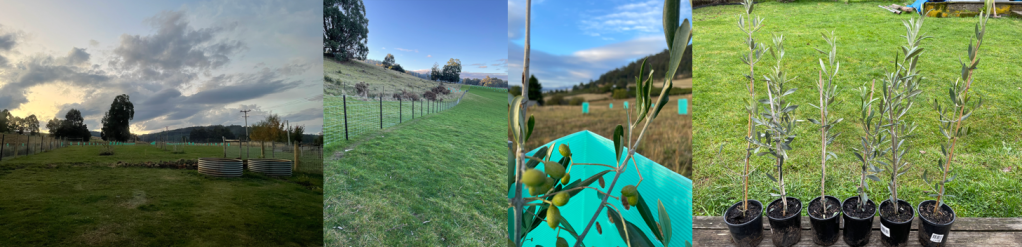
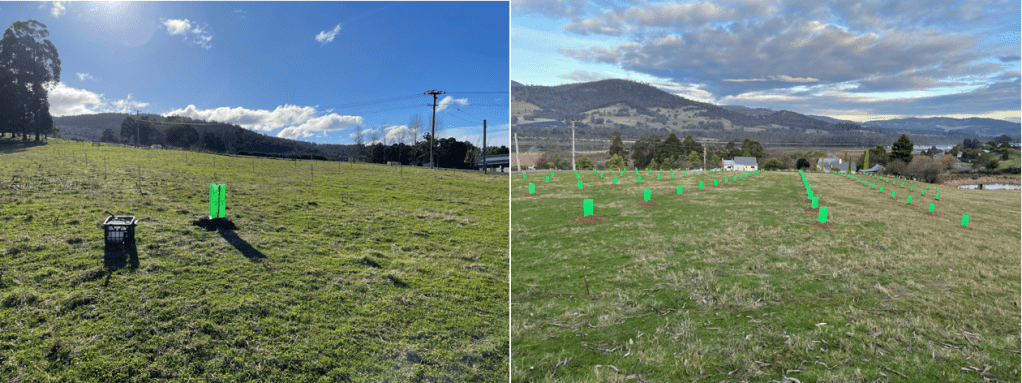
“There is this emptiness, like all of a sudden, all the stress, self-doubt, anxiety and fear have been leached from my being… there is a numbness, not quite an outer body experience, more reality-driven, stillness, where I am present, absent and off in my own little world at the same time. I felt alone, but in control; a deep connection to place.”
There is something about farm life and the changing seasons. There are days where you want to shout it from the paddocks and others, well…
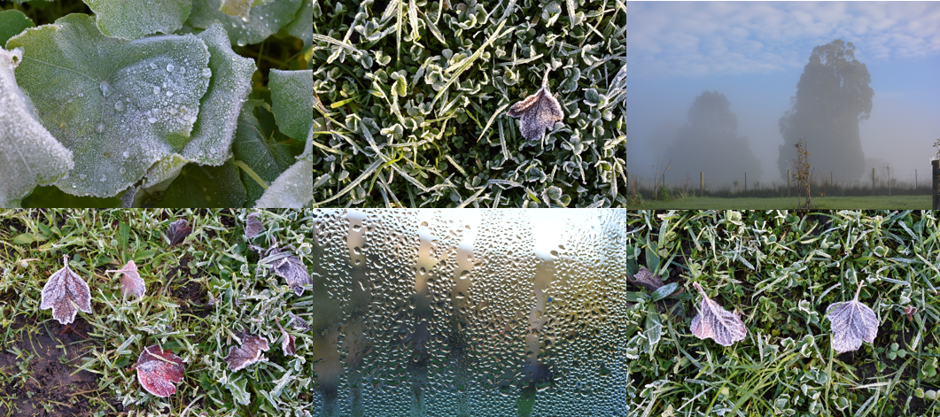
After a wet, muddy, frosty and inconsistent winter, preparing for a strong start to spring remains omnipresent.
With a list longer than my arm and an optimistic attitude to boot, I have decided to prioritise two of my inhabitants: worms and bees.
WORMS
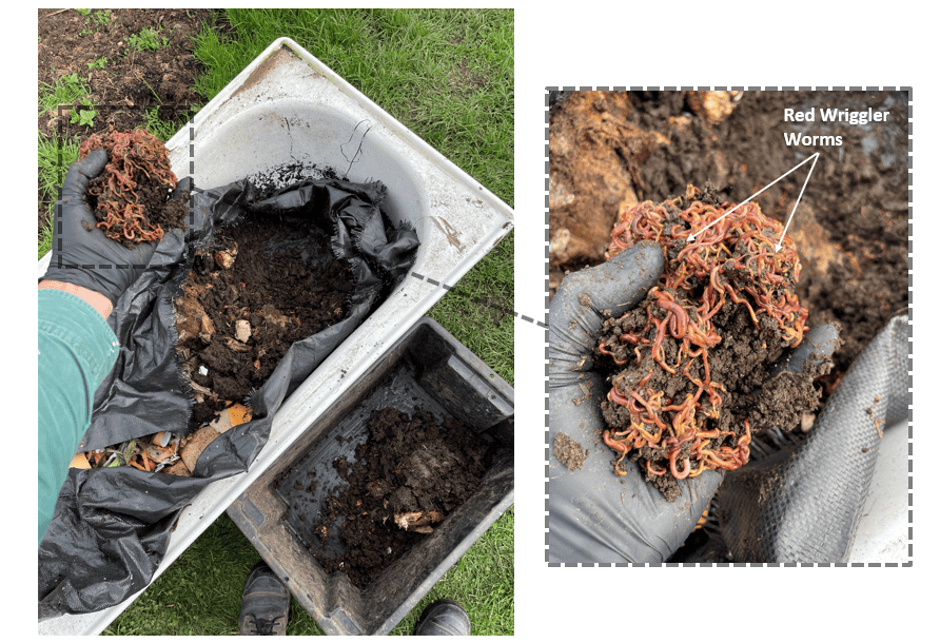
There is a series of bathtubs which house my Red Wiggler worms (Eisenia fetida). These feisty, passionate, and strikingly sexy beings take to our kitchen scraps like a ten-year old kid devouring hotdogs at a baseball game!
Progressively over the last couple of years, these have grown from one to three, with a fourth in the works. Red Wigglers love a feed, eating half of their body weight in scraps and shoot it out the other end to produce earthy, and slightly pungent, worm castings.
This is the perfect closed-looped system: scraps in; worm castings and tea out, perfect for my hungry citrus plants.
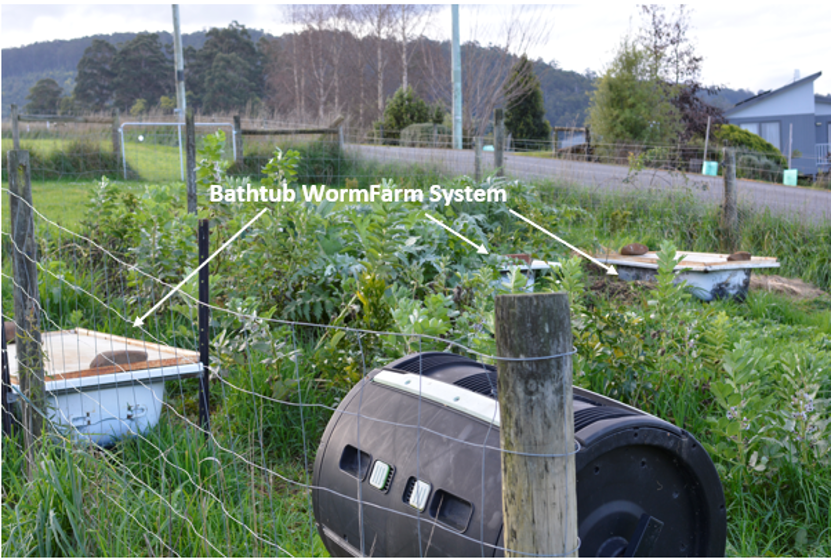
The two images below highlight the density of worms and the location of these at Franklin Grange.
RELAXING
While farming is all about the work to make it functional, attractive to wildlife, a supermarket, and profittable venture, one must stop and enjoy their own creations.
What was once barren land, is now progressing towards attracting birds, bees and insects.
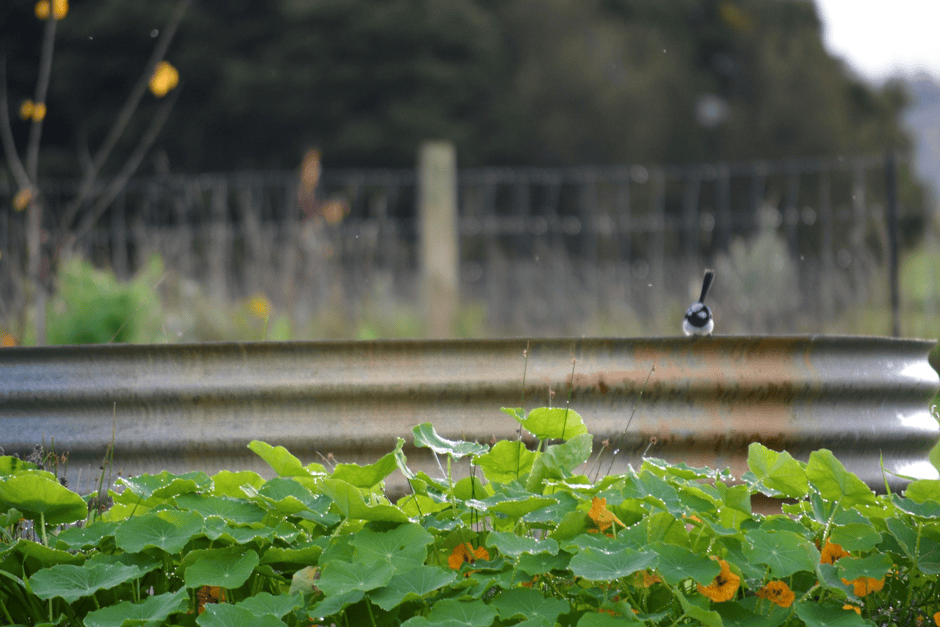
The image below is one of my friendly birds, the Superb Fairywren (Malurus cyaneus). Perched on raised corrugated iron beds, he surveys the place for grub to eat in the Nastursium ground cover. He and his girlfriends like singing to me and hold no fear of me when in the garden, which is nice.
BEES
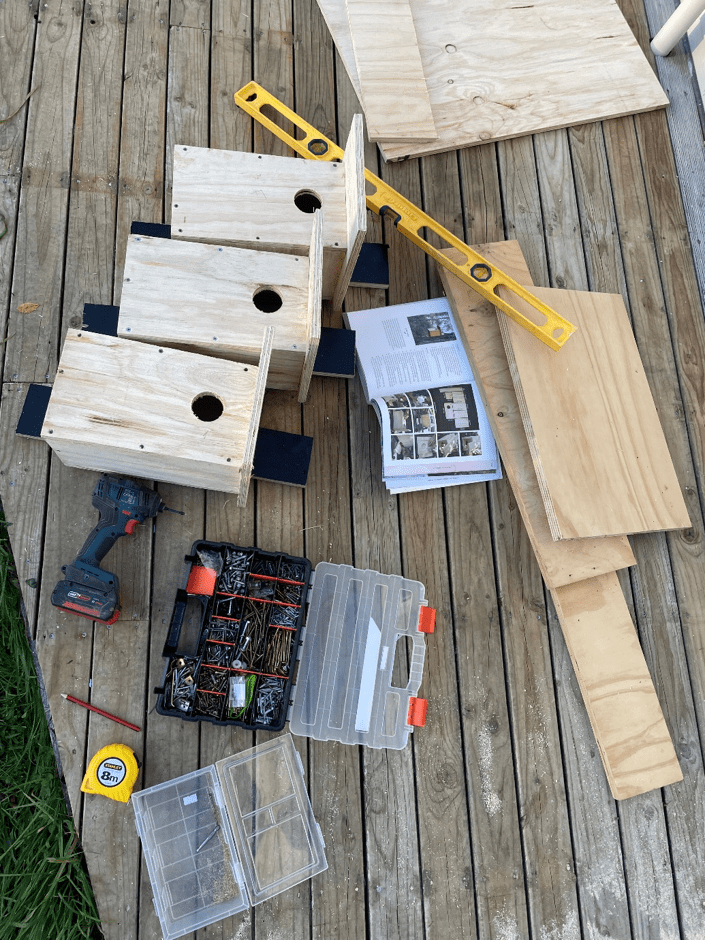
This year for bee swarming season, I decided to try something new: a Kenyan Top Bar hive. However, I decided to challenge myself using the ‘Circular Economy Principles’ of: reclaim, reuse and repurpose.
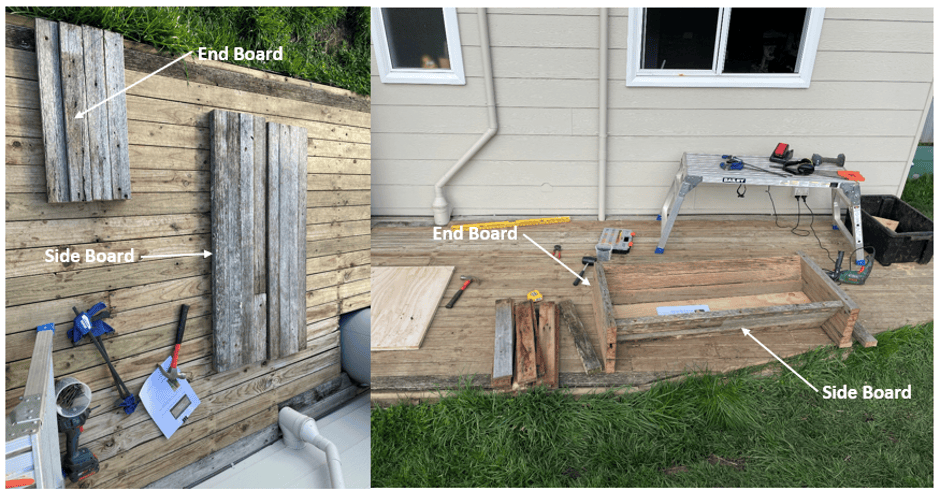
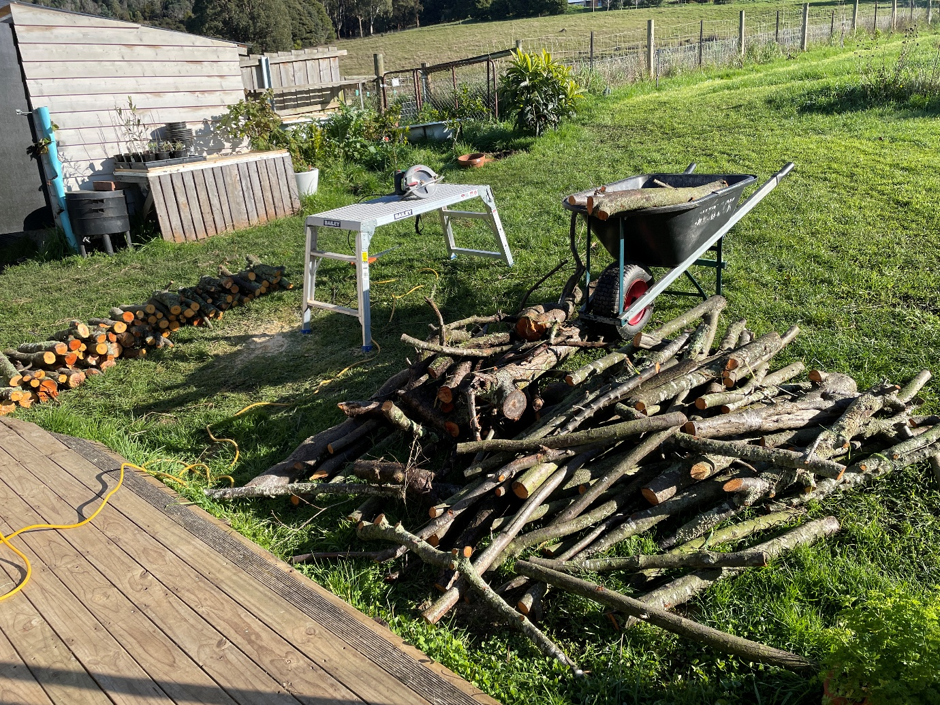
With a selection of hardwood to use around the property, 4 x 2 and 3 x 2 were dominant. These were cleaned and sanded; while checking for any contaminants present.
To make the top bars, I milled pine legs from an old dining room table to 30mm x 30mm. For the legs, just some old, short star pickets; with the roof a combination of left over sheeting.
Other than some handles, the whole project was sourced from remnants, surpluses and hoarding from the property!
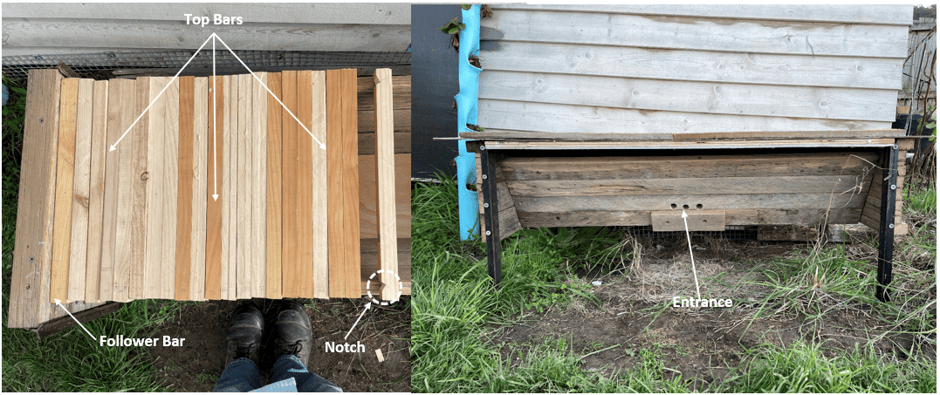
The two images (one top, the other below) show a ‘raw’ start to finish and to be honest, it turned out better than expected.
With the swarming season just a month or so away, I will add some lemongrass oil to attract and entice my friends to set up home.
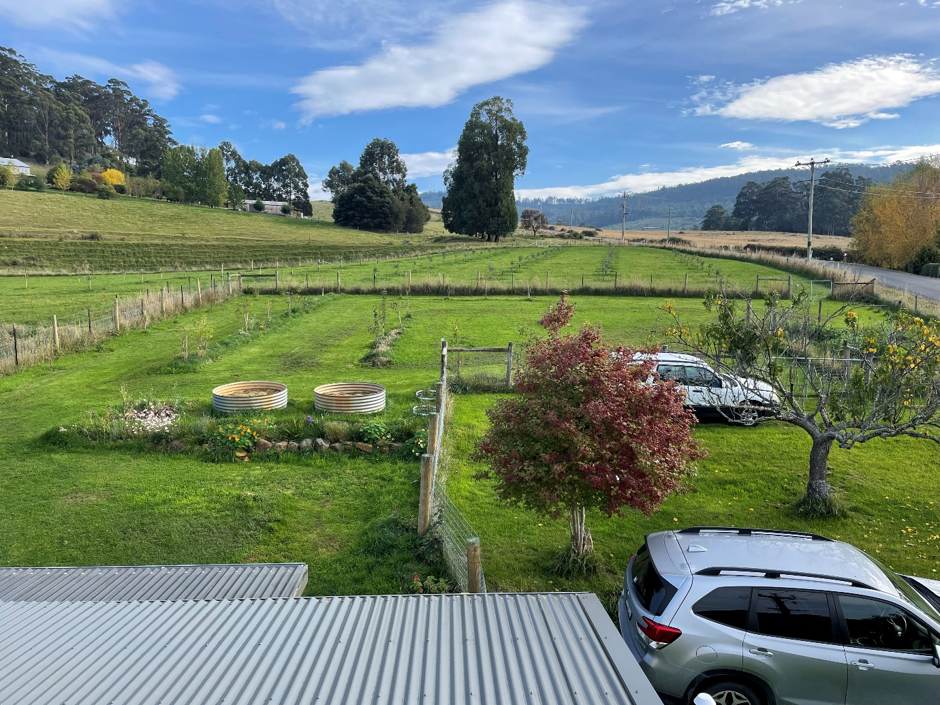
The forest garden has a good selection of fruit and nut trees finding their feet (they are two-years-old) and this year may prove to be a reliable crop!
Deciduous in nature, they are a feeling exposed, naked, and truly rooting for spring! Here, they will say hello with an open for business sign needing little explanation.
Their pungent stench, colourful floral array and range of insects and birds, will have this place humming (no pun intended) and I cannot wait!
My hope is that the curious bees will be looking to vacate their old crib; spring a queen from solitary, and convince thousands of mates to join the party.
The old saying, “build it and they will come,” may transpire this spring, fingers crossed.
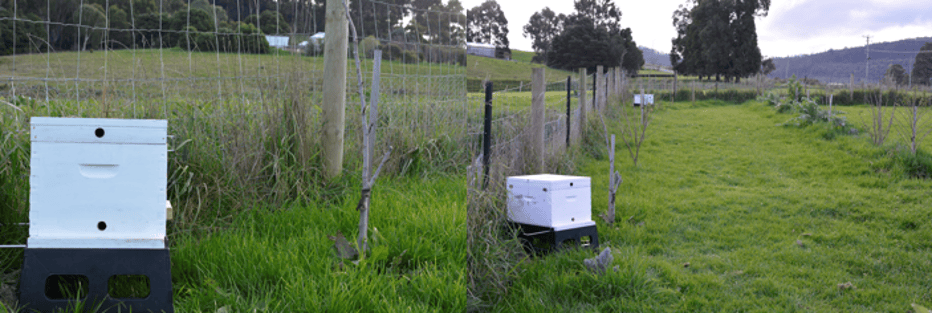
For this to happen and be a success, two old Langstroth hives have been ‘retro-fitted’ to lure the intrepid explorers (see the above image).
When ‘scout’ bees are fishing for new property, they want a big, vacant space to make their own. In order for this to be a reality, everything from side bars, wax frames and wire, were stripped out.
This left the top bar and some popsicle sticks (for the bees to start their comb).
While this is an experiment, I remain confident that these will entice a swarm or two over the season.
When successful, I will build further Kenyan Top Bar hives to house these miscreants!
SUNS OUT, GUNS OUT
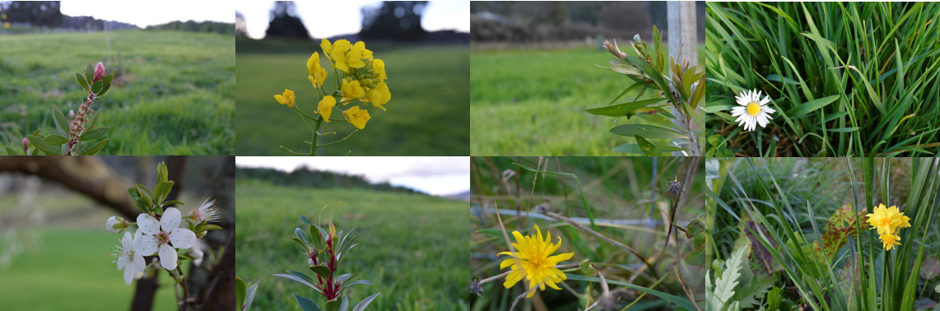
While still cold, there are signs the slumber party is over!
From the natives, to fruit trees, to bulbs, to pioneer plants, everyone is saying “Hello!”
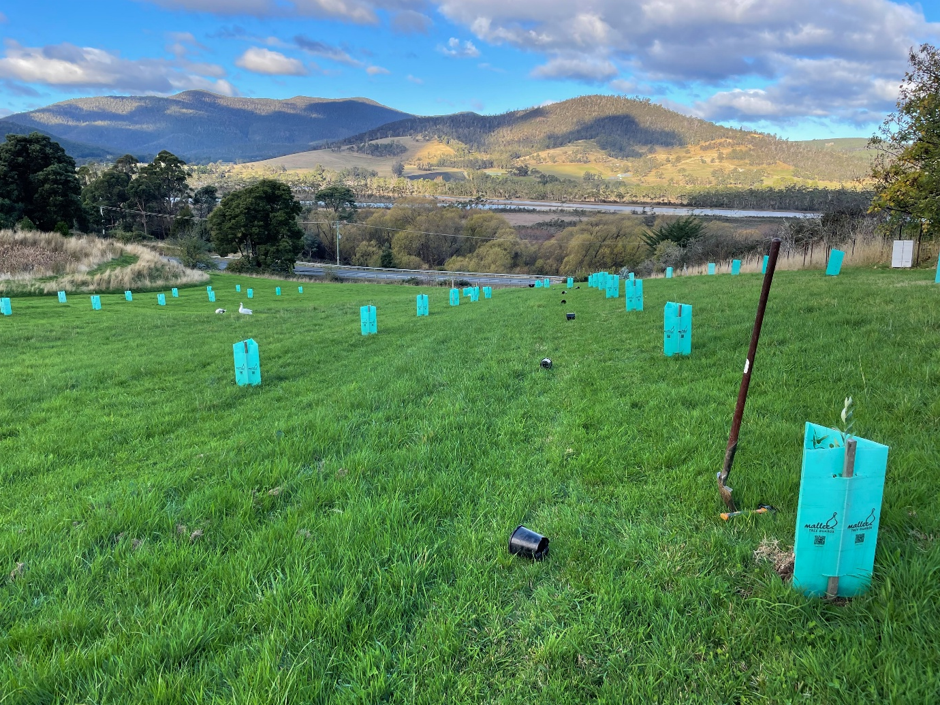
When out traversing the property on my evening walk, I pay patronage to most of the >600 trees I have planted.
The joy from observing the change in plants from day-to-day now that the days are getting longer is a real treat!
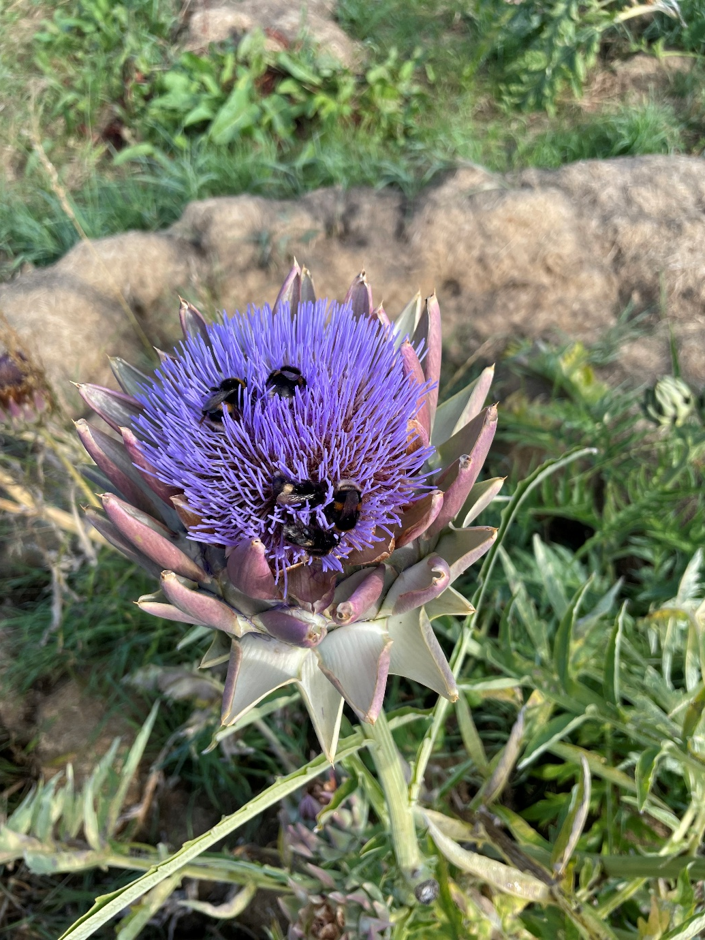
As the picture above shows, even in the early stages of the season change, colour and a pungent, yet sweet smell is filling the paddocks with magic.
OLIVE TREES
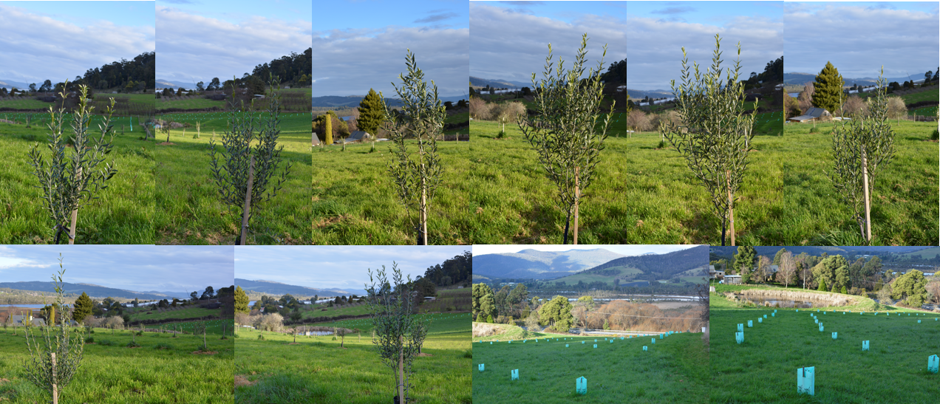
Make no mistake about it, I love olive trees!
Why? Hmm… they are majestic, evergreen, super attractive; offer food, fibre, apothecary, oil, symbiotic relationships, habitat, shade, wind breaks… they are truly awesome.
After a winter blitzkrieg of planting, Franklin Grange is proud to welcome 100 new Manzanillo olive trees to compliment the 60 Frantoio and 40 Mission (and six extra we will call ‘muts’), which moves the orchard past the 200 mark.
The incumbents (Frantoio and Mission), have decided to dominate (might be all the nutrients, lime, and organic matter I gave them – whoops), and like a teenager hitting puberty, have a growth spurt hitting overdrive.
Over winter, I conducted a few experiments to see how the olive trees would react (more on these in a later post). Now that their ‘chill period’ is coming to an end, I have no doubt they will want to lose their winter coats, get in shape and produce some solid olives over the dry, warm summer we have coming thanks to uncle El Nino!
It would be nice to press and pickle some olives – “Fingers crossed.”
Over winter, I mapped the hydrology of the property to gain a greater understanding of areas suitable for planting more olive trees (like humans, they are not impressed with wet feet). There is the potential for another 250 olive trees to be planted which would make Franklin Grange a commercial producer of olive oil products and apothecary in our own unique way – “Watch this space!”
GEESE
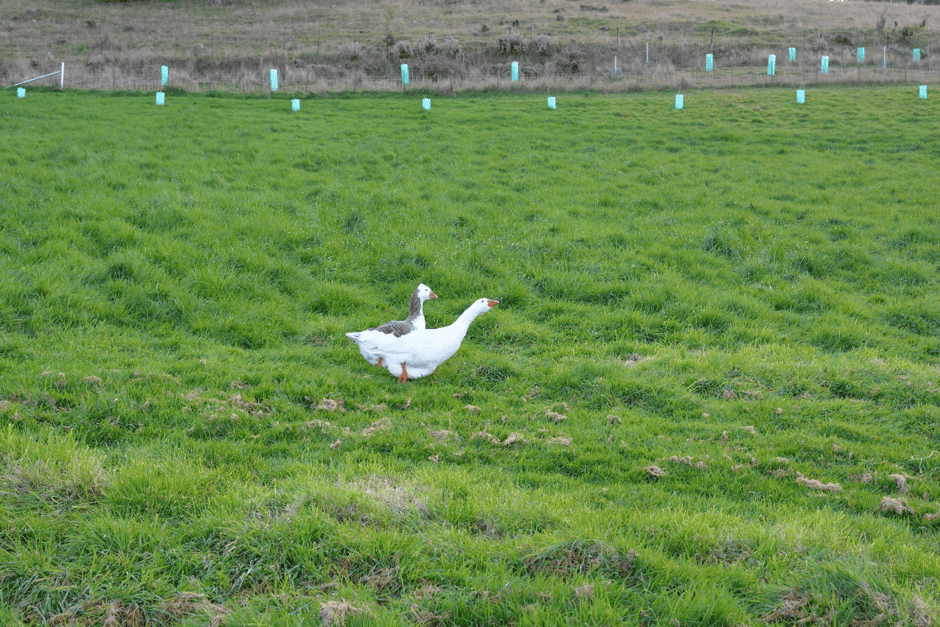
The final word goes to George & Mildred, our two vocal, and strikingly gorgeous, residents.
I was not certain on what language they were spouting, but I believe their words were something like… “Have a nice day and feed us apples!”
Hmm… dubious at best. But they are delight to have as they always lighten my day and make me laugh.
Have a great day,
Lee.